From FYP to Bestseller List: How BookTok Blew Up the Old Rules of Publishing

Photo by Photo by Christian Harb on Unsplash on Unsplash
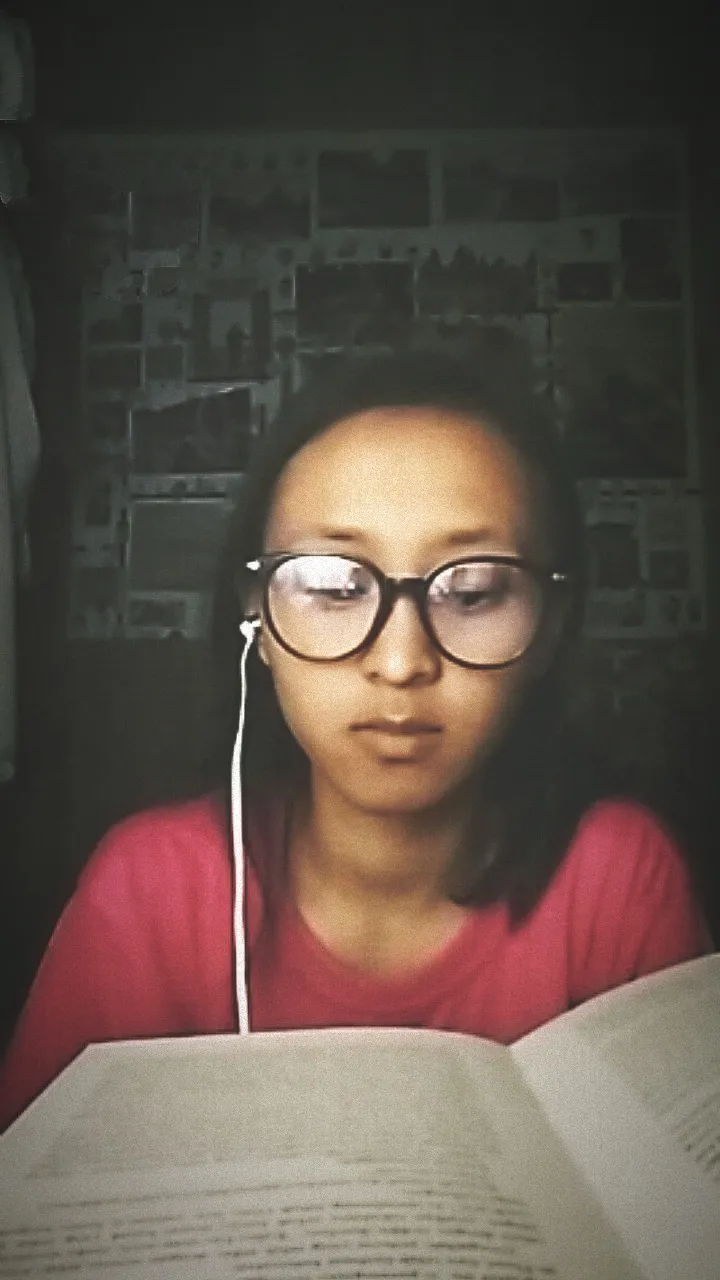
Somewhere between a crying selfie and a perfectly soundtracked page flip, American reading culture quietly had a revolution. It didn't happen in a boardroom at Penguin Random House. It didn't come from a starred review in Publishers Weekly. It came from a teenager's bedroom, a ring light, and about thirty seconds of genuine emotion posted to TikTok.
Welcome to the BookTok era — and if you haven't felt its pull yet, you almost certainly will.
The Numbers Don't Lie
Let's start with some hard data, because the scale of what's happening is genuinely staggering. The hashtag #BookTok has racked up well over 200 billion views globally, with US-based creators accounting for a massive chunk of that traffic. Books that had been quietly sitting on backlist shelves for years — sometimes decades — have been yanked back into the spotlight almost overnight.
Take The Song of Achilles by Madeline Miller. Published in 2011, it won the Orange Prize and earned solid literary respect, then more or less settled into the comfortable obscurity of a book people vaguely meant to read. Then BookTok got hold of it. By 2021, it was outselling its original debut numbers on a weekly basis. Bookstores across the country reported they simply couldn't keep it in stock.
That's not a marketing campaign. That's a cultural earthquake.
Why Traditional Publishing Is Scrambling
Here's the uncomfortable truth for legacy publishers: they built their entire infrastructure around a model of controlled discovery. You pitch to an agent, the agent pitches to an editor, the editor pitches to a acquisitions board, and somewhere in that long chain of gatekeeping, someone decides what American readers are ready for. Marketing budgets flow toward established names. Debut authors fight for scraps of promotional attention.
BookTok doesn't care about any of that.
The platform's recommendation engine rewards authenticity and emotional resonance, not author platform size or publisher prestige. A debut novelist from rural Tennessee has exactly the same shot at going viral as a New York Times bestselling author — sometimes a better shot, because readers love rooting for an underdog story.
Publishers have been caught flat-footed more than once. When a book unexpectedly explodes on BookTok, supply chains buckle. Print runs that seemed perfectly reasonable suddenly look laughably small. Reprints take weeks. By the time fresh stock hits shelves, the algorithm has sometimes already moved on.
"We're essentially trying to surf a wave we can't predict," one mid-size publisher's marketing director admitted in an industry panel last year. The irony of that metaphor isn't lost on us here at BookSurf AI.
The Genres Riding the Biggest Waves
Not every genre gets equal love from the BookTok algorithm, and the patterns are fascinating.
Romantasy — that delicious mashup of romance and fantasy — has become the platform's undisputed darling. Sarah J. Maas built an empire partly on BookTok devotion. The genre rewards exactly what short-form video does best: big emotions, shipping culture, and the kind of passionate fandom that translates directly into shareable content.
Dark romance has had its own explosive moment, pulling in readers who might never have wandered into that section of a bookstore on their own. The platform's ability to create safe, communal spaces around challenging content has opened doors for authors writing in spaces traditional publishers often considered too niche.
Literary fiction has seen its own BookTok renaissance, though it looks different. Slower burns, more essay-style videos, readers who want to discuss rather than just react. Colleen Hoover — arguably BookTok's biggest success story — straddles the line between commercial and literary in a way that feels almost perfectly engineered for the platform, even though her rise was entirely organic.
Indie and self-published authors have arguably benefited the most. The playing field has leveled in ways that would have seemed impossible ten years ago. A well-crafted self-published romance with a gorgeous cover and a hook that translates to video can outperform a traditionally published title with ten times the marketing budget.
The Creators Changing the Game
Behind every viral book moment is a creator who decided to share their feelings about a story with strangers on the internet. What's remarkable is how diverse that creator community has become.
There are the mega-influencers with millions of followers whose recommendations function like Oprah's Book Club used to — instant sales spikes, guaranteed attention. But there are also micro-creators with 10,000 followers whose niche communities are deeply, fanatically engaged. A creator who specifically reviews queer historical fiction or Indigenous-authored speculative novels can move serious numbers within their audience, even if they'll never trend nationally.
This fragmentation is actually good news for readers. It means there's a BookTok community for almost every reading taste, and the recommendations tend to feel personal rather than manufactured. When someone posts a video crying over the last page of a book they loved, you believe them. That authenticity is worth more than any ad spend.
What This Means for How You Discover Books
If you're not already using social signals as part of how you find your next read, you might be leaving some incredible books undiscovered. At BookSurf AI, we think about book discovery as a combination of signals — and BookTok buzz is increasingly one of the most reliable ones.
The platform has proven remarkably good at surfacing books that deliver emotional payoffs, because that's what gets people to pick up their phones and film themselves talking about a story at 11pm. It's not a perfect system — homogenization is a real risk, and some incredible books will always fall through the cracks — but as a discovery tool, it's hard to argue with the results.
The old gatekeepers haven't disappeared. Agents, editors, and reviewers still matter. But they're no longer the only path to a reader's hands. The wave is moving, and it's moving fast.
The question isn't whether BookTok has changed American reading culture. It obviously has. The question is whether publishers, authors, and readers are ready to surf it — or whether they're still standing on the shore, wondering what that noise is.