Sixty Seconds in the Aisle: The Real Way to Vet a Book Before You Commit

Photo: Pratham Books from India, CC BY 2.0, via Wikimedia Commons
You know the scene. You're standing in a bookstore (or scrolling at 1 a.m., same thing), holding a book you know nothing about, and you have maybe two minutes to decide if it's coming home with you. No review can help you now. No star rating. Just you, the cover, and whatever the first page is about to tell you.
Here's the thing: that two-minute gut check is more reliable than you think. Your brain is doing rapid, sophisticated work when you flip through a book — you just need to know what to listen for.
Read the First Paragraph Twice
Not the first chapter. The first paragraph. Prose rhythm announces itself immediately. Read it once silently, then again out loud (yes, in the store — nobody's watching). Does it have a pulse? Sentences that vary in length, that land somewhere instead of just filling space? If the opening paragraph feels like wading through wet sand, page 200 will feel like drowning.
This isn't about "good writing" in the abstract. It's about whether the writer's cadence matches something in you. Some of the best-selling prose in America is rhythmically flat. Some of the strangest indie fiction sings. Your ear knows the difference before your brain forms an opinion.
Flip to a Random Middle Page
The opening pages of any book have been polished to death — by the author, the editor, sometimes the whole publishing house. Middle pages are where the truth lives. Open somewhere around the 60% mark and read a full page.
Ask yourself three questions:
- Do I know what's happening? Confusion here might mean the book rewards patience — or that it's just muddy. One random page won't settle it, but you'll feel the difference.
- Does the dialogue sound like people? If characters talk like press releases in the middle of the book, they talked like press releases on page one too.
- Would I keep reading this page if I didn't have to? That's the whole test, really.
Do the Voice Check
Character voice is the single strongest predictor of whether you'll finish a book, and it's detectable fast. First-person narrators especially — you should feel like you've met someone within a paragraph or two. Not someone you like, necessarily. Someone specific. A voice you could pick out of a lineup.
If the narrator sounds like a neutral delivery system for plot information, that rarely improves. Voice is either there or it isn't.
Trust the Vibe Check (Seriously)
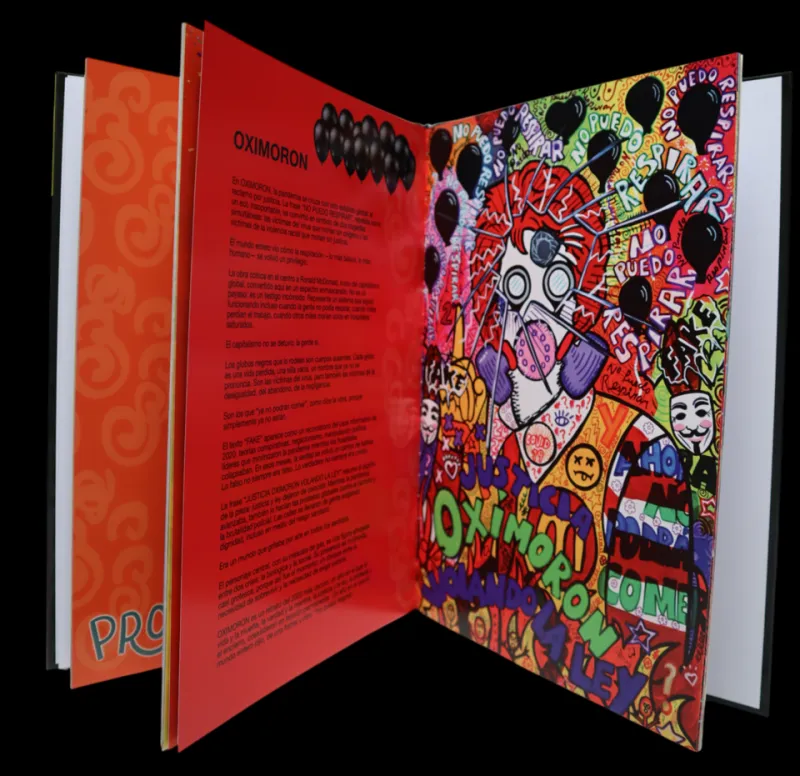
There's a reason you can fall for a book in an airport with zero context. Humans are extraordinarily good at reading tone — cover design, typography, the weight of the paper, the way a title sounds. Book marketers spend enormous money getting all of it to signal the right thing to the right reader. When something clicks instantly, that's not shallowness. That's pattern recognition built from every book you've ever loved.
Reviews, meanwhile, are written by people who aren't you. A three-star average tells you a book divided its readers. That's not a warning — sometimes it's an invitation. Books that split people down the middle are often the ones that land hardest with their actual people.
The 10-Minute Triage, Summarized
Next time your TBR pile threatens to file for statehood, run this drill:
- One minute: First paragraph, twice, out loud if possible.
- Three minutes: Random middle page.
- Two minutes: Read the back cover or first chapter description — not for plot, but for promise. What is this book claiming to be?
- Two minutes: Sit with it. Does your chest do anything? Curiosity, dread, warmth — any real reaction counts.
- Two minutes: Decide. Yes, no, or not-now. "Not now" is a valid and underrated answer.
Ten minutes per book. You can triage six contenders on a Saturday morning and walk away with the two that actually deserve shelf space.
When the Test Gets It Wrong
It will, occasionally. Some slow-burn books hide their magic past the halfway mark, and no aisle-side test will catch them. That's the trade-off: this method optimizes for your current reading life, not for posterity. If you want to be occasionally blindsided by a book that takes 150 pages to start, leave room in the pile for one wild card you pick purely on vibes and never vet at all.
The goal was never to read perfectly. It's to spend your limited reading hours on books that actually earn them — and to trust that the reader who's fallen in love a hundred times before probably knows what she's doing.